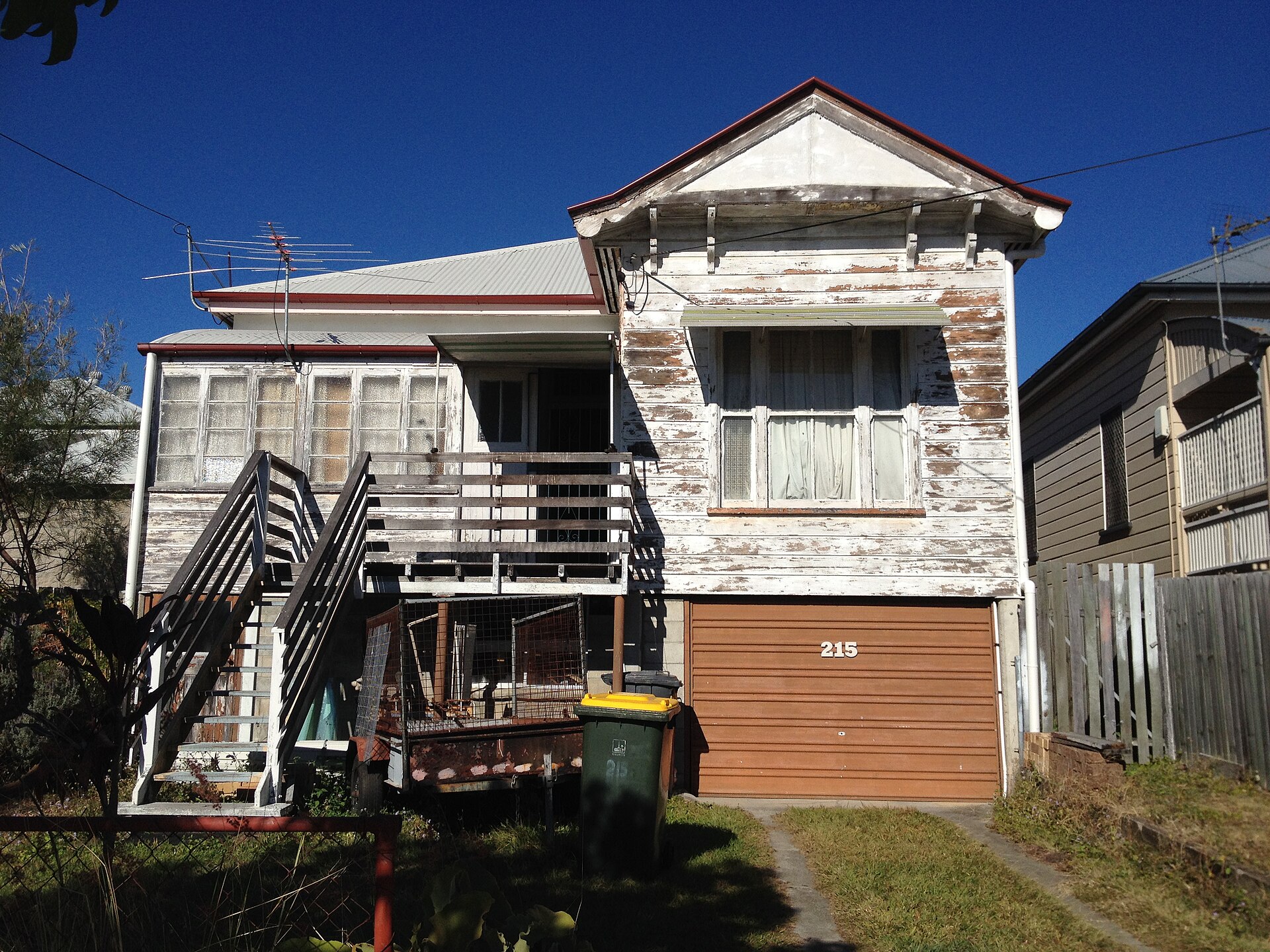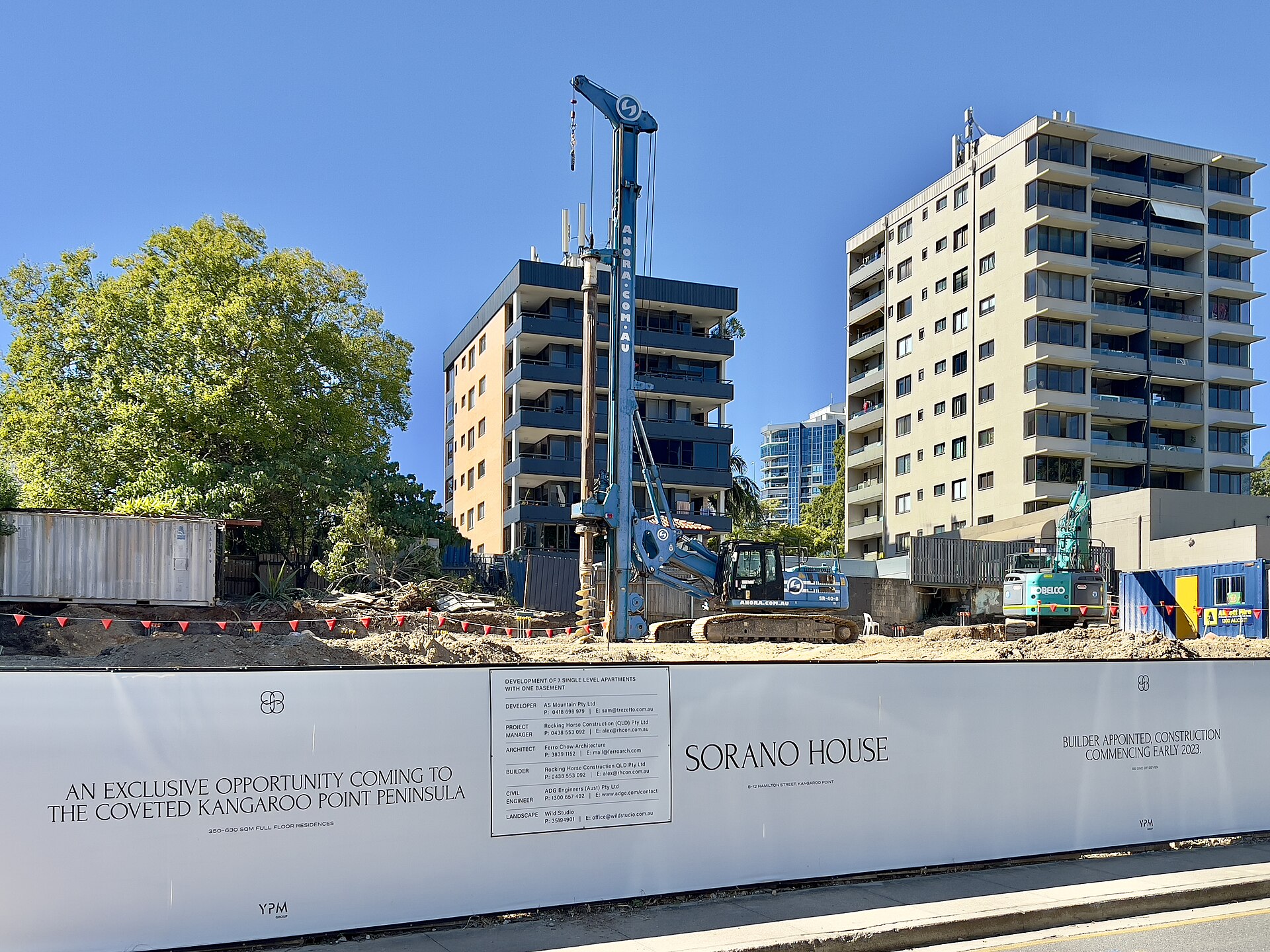
A building contract in Queensland prices a defined scope. It does not price a life. The day you get the keys you still need to get a car off the street, dress the windows so the house can be slept in, put a fence between you and the dog next door, and start paying a loan on a property that has been drawing interest for a year. Owners call these "hidden" costs because they were hidden from the first spreadsheet. They are not hidden from the exclusions schedule. They are listed there in ordinary English, under "by owner."
This is a companion to the practical guide to Brisbane home building costs. That piece is about reading a quote. This one is about the project cost that remains after the quote is honest. Statutory charges and utility fees move; treat every figure you have heard as dated. What does not date is the list of items. If an item is not in the contract, it is in your budget or it is not in the house.
The contract price is not the house price
Read the exclusions before you read the inclusions. A standard HIA or Master Builders residential contract, filled in the ordinary way, often leaves the owner to provide or complete the driveway, the dividing fences, the landscaping, the letterbox, the clothesline, window furnishings, and sometimes the clothes dryer, the extra hose taps, or the air-conditioning if it was an option that never quite got specified. Connections beyond a nominated point — a longer sewer run, a new power pillar, an NBN pit that is not where the estate drawing said it would be — can sit in the same bucket.
None of this is a trick unique to volume work. Custom contracts exclude the same items if nobody put them in. The difference is that a custom specification can include them if you ask, and then you will see the cost while you still have a choice. A display-home quote that is silent has already made the choice for you. How to read a Queensland HBW building contract is the clause-level walk-through. The exclusions schedule is the page to print.
Make a running project budget with three columns: in contract, excluded but required to occupy, and genuine later. The third column is the only place for a nicer sofa. The second column is this article.
Driveways, crossovers and fences
A house without a driveway is a house that parks on the verge. In Brisbane and the surrounding councils a new or altered crossover — the section between the kerb and the boundary — is an approval, not a weekend job. The council cares about the pipe under the layback, the slope, the proximity to a street tree, and the width. The builder may form the internal slab; the crossover is often yours. On a steep lot the driveway is a structure: retaining, drainage, a grade a car can actually use in the wet. Price it as a designed piece of civil work, not as a square-metre rate for exposed aggregate that you saw on social media.
Dividing fences are a legal relationship as well as a product. The Neighbourhood Disputes (Dividing Fences and Trees) Act 2011 sets a process for notice, contribution and the ordinary standard of fence. A colourbond fence that satisfies the Act may not satisfy an estate covenant or a character street. A timber fence on top of a new retaining wall needs an engineer before it needs a colour. Talk to the neighbour before you send the notice. A build already tests the street; a surprise fence is an extra test.
Gates, letterboxes, house numbers and a bin enclosure are small lines that still have to be chosen, paid for and, in some estates, approved. They are also the things a household notices on the first evening, when the contract's "practical completion" has been claimed and the house is legally finished and practically incomplete.
Window furnishings and the uninhabitable house
Queensland light is not decorative. An uncurtained west window in February is a heating appliance. It is also a privacy problem on a 12.5-metre lot. Window furnishings — blinds, curtains, shutters — are almost never in a standard building contract. They are a five-figure line on a modest house and a larger one on a glass-heavy plan. They have lead times. If you order them after handover you will live in the fishbowl for a month.
Treat them as part of the climate system, not as decoration. The rooms that need them first are the bedrooms and the west-facing living. Pelmets, blockout, and a way to open the house at night without lighting the street are the functional brief. A display home's plantation shutters are an upgrade and a clue. If the plan only works with them, they belong in the occupation budget from the start.
Floor coverings can sit in either column. Some contracts include a vinyl plank or a carpet allowance throughout; many leave bedrooms or living to the owner after a raw slab. Rugs are not a floor. If you have children or a parent with balance problems, a finished floor is an occupation item, not a later treat.
Landscaping, turf and the sediment fence
Council will expect sediment and erosion controls during the work. Those controls — the silt fence, the rubble drive, the temporary drain — are not a garden. When they come down you have a clay pad, a batter and, if you are lucky, a single tap. Turf, planting, a tap where you need it, a path to the clothesline, and enough grading that water does not sit against the slab are the first landscape package. A designed garden can wait. A yard that sheets mud onto the new floor after the first storm cannot.
On estate lots the developer may have required a completed front yard by a date, or lodged a bond against that completion. Read the covenant pack. On knockdown-rebuild sites the old garden is gone with the house and the new levels may not match the neighbour. Retaining that was left out of the building contract becomes a landscape invoice with structural consequences.
Irrigation, lighting and an outdoor room are the lines people enjoy specifying. Put them in the third column unless the household will actually live outside in the first summer. A shade structure over the west-facing slab is closer to a second-column item in this climate than a water feature is.
NBN, lead-ins and temporary services
A building contract will usually take the house to an agreed connection point. The lead-in — the trench or aerial from the street, the pit, the appointment with the retail service provider, the days when the electrician and the network are not in the same week — is a project of its own. Infill sites in older Brisbane suburbs are slower than the marketing of greenfield fibre. Temporary construction power and water are preliminaries; permanent connections are occupation. Both have fees that move.
Ask, early, who applies, who attends, and what happens if the pillar or the pit is on the wrong side of the lot. Energex, Urban Utilities and the NBN or other network each have their own forms and their own queues. A household that assumes "the builder does connections" without reading the clause will meet these queues in the last fortnight, when the removalist is already booked.
Gas, if you want it, is a decision with a trench and a meter. Many new houses in SEQ are now all-electric. That choice belongs in the specification, not in a variation after the slab is poured. Solar and a battery, if they are part of the brief, need a roof design and a switchboard that anticipated them. Retrofits are possible and they are not free.
Council fees and the charges that arrive as a letter
Approvals have a price list and the list is not stable. Building application or private-certifier fees, plumbing and drainage applications, inspection fees, driveway crossover approvals, and — on many lots — adopted infrastructure charges levied by the council sit outside the romantic part of the project. Some builders allow a sum. Some do not. Infrastructure charges in particular can be a large line on a new dwelling or a material change of use, and they vary by council and by the demand credit attached to an existing house you are knocking down. Get the current schedule from the relevant council. Do not use a number from a forum post in 2022.
Bonds and inspections continue after you move in, especially in estates: landscape bonds, unfinished-works bonds, a final covenant inspection that wants the fence in the approved colour. Budget time as well as money. A bond you forget is a letter you receive a year later.
Waste, skip permits on a tight street, and the occasional need for a hoarding licence in an inner suburb are small until they are not. Ask the builder which of these they carry in preliminaries. Put the rest in the second column.
Interest, rent and the months you pay for two roofs
Construction finance is not a free pause in the mortgage. Interest accrues as the builder claims. The longer the programme — wet weather, variations, a certifier queue, a delayed frame — the more interest you pay before you can live in the asset. A construction period written in a contract is an estimate surrounded by delay clauses. Read those clauses. Price a longer period than the sales consultant's optimistic calendar.
If you cannot live in the old house, you are paying rent or board or a second mortgage for the same months. Storage, pet boarding, and the extra kilometres of a temporary school run belong in the same column. Households doing a knockdown-rebuild are the most exposed, because they have sold or emptied a house and then discovered that demolition, approvals and a start date are a sequence, not a weekend.
Insurance during construction is another split responsibility. The builder's contract works policy and the QBCC Home Warranty Insurance sit beside your own obligation to insure a property you own. Ask your broker when your policy should start and what it covers while the house is incomplete. Do not assume the builder's policy is a household policy.
Bank valuation at the end of the job is the quiet shock. Lenders value a house, not a project cost. Driveways, furnishings, a finished garden and the interest you paid do not always appear in the valuation. If you have borrowed to the edge of the contract price, the second column has to come from somewhere else. Plan for that before you sign, not at practical completion.
A checklist that belongs next to the quote
Write the second column out. Driveway and crossover. Dividing fences and gates. Window furnishings. Floor coverings not in the contract. Landscaping to a minimum occupation standard. Clothesline, letterbox, bins. NBN and permanent services. Council and distributor-retailer fees. Infrastructure charges. Bonds. Construction interest. Temporary accommodation and storage. Broker and legal costs beyond the land conveyancing. A contingency for the items you will only discover when a plumber stands on the pad and says the connection is on the other side.
Put a range on each line and date the range. Add the ranges up. That total is part of the house price. If it does not fit, the answer is a smaller scope or a later project, not a more optimistic reading of the exclusions. The costs and contracts desk will keep returning to that point because it is the point that protects people.
If a line item is unclear — a charge you cannot find, a clause that seems to shift a connection cost, a fee schedule that has moved since this piece was updated — send the document through contact. We correct figures when the instrument changes. We will not invent a current official amount to make a spreadsheet feel finished. The owners who finish calmly are the ones who treated the second column as real in the month they signed, when they still had the power to change the first.
Frequently asked questions
What costs sit outside a typical Queensland building contract?
Driveways and crossovers, dividing fences, window furnishings, landscaping, letterboxes, clotheslines, extra connections, many council and distributor-retailer charges, finance interest, and temporary accommodation. Some builders include a few of these. Most standard contracts treat them as the owner's work.
How much extra should I allow beyond the contract price?
Households that finish without a shock usually hold a five-figure to low six-figure allowance beyond the building contract on a typical detached house, and more on a constrained or sloping site. The range moves with the exclusions list. Build the allowance from items, not from a single percentage.
Are council fees included in the builder's quote?
Sometimes a portion is. Certification, plumbing application fees, infrastructure charges and crossover approvals often sit in the owner's name or in a provisional sum. Ask for a written list of every statutory charge and who pays it. The amounts themselves are set by councils and agencies and they change.