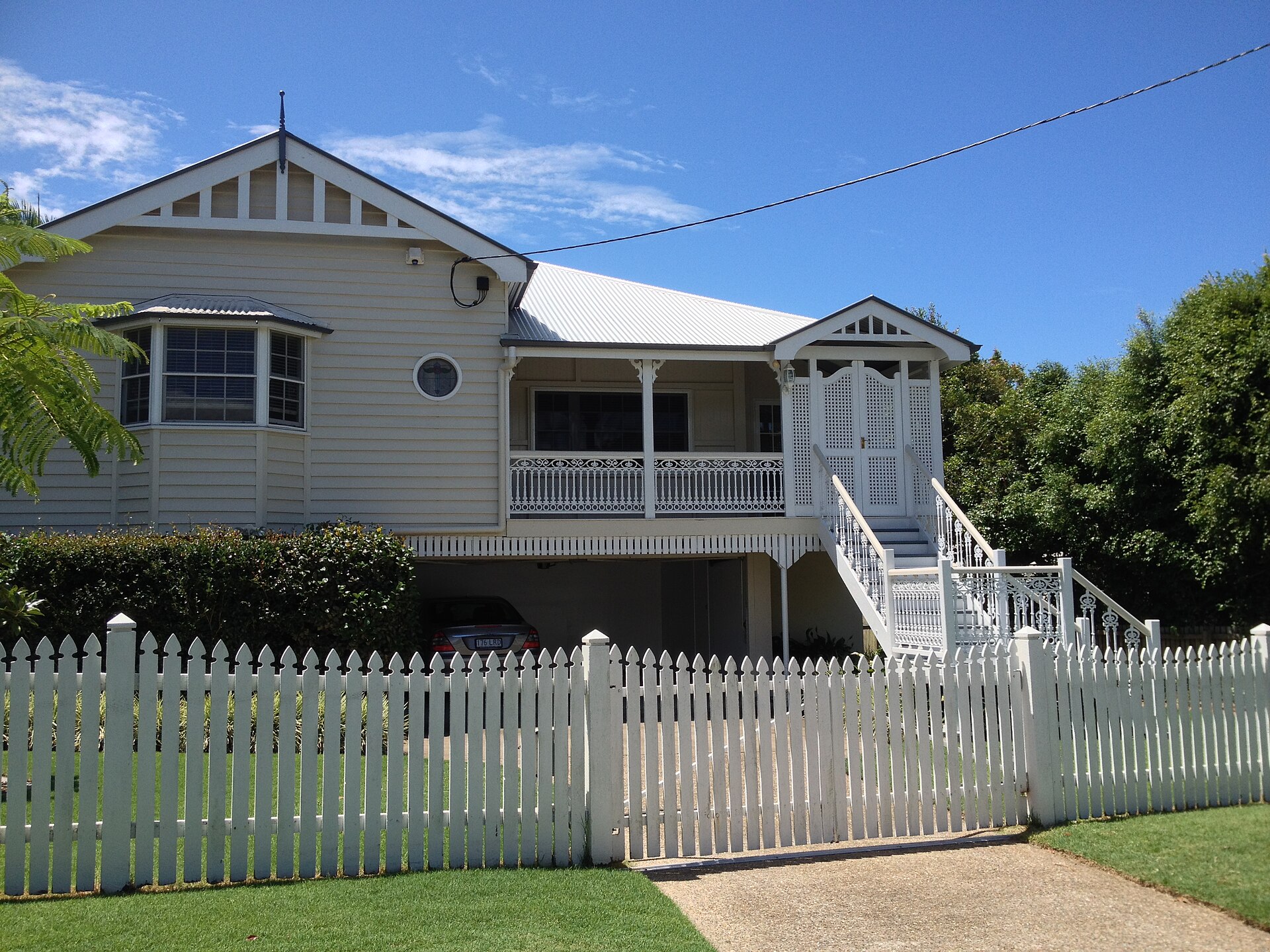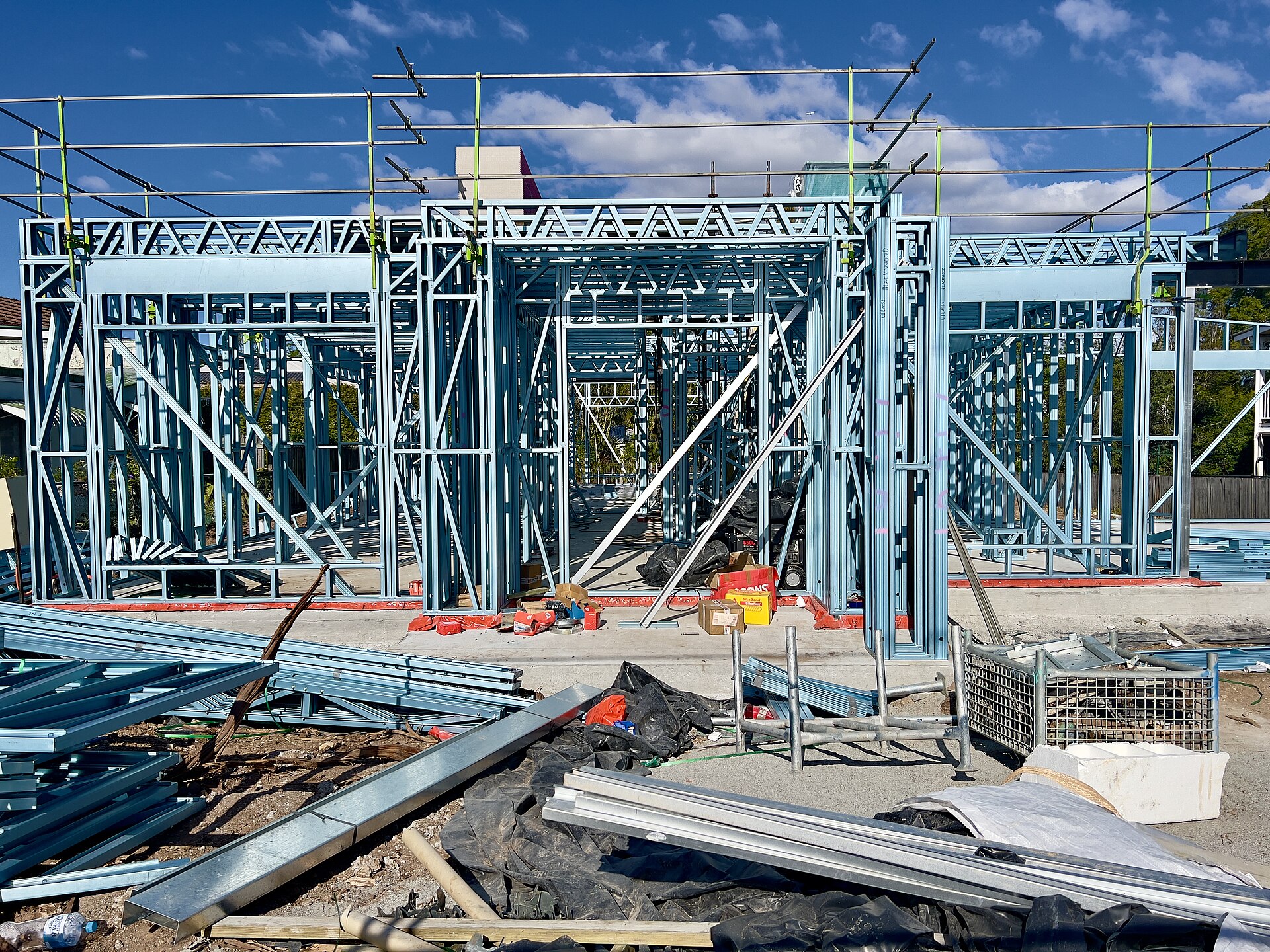
Choosing a builder in Brisbane is not a taste test. It is a due-diligence job that most households compress into two Saturday mornings at a display village and a phone quote that expires in fourteen days. The house that results is then asked to carry a thirty-year mortgage. This desk's method is slower, cheaper in the end, and unromantic on purpose.
The first useful distinction is between a company that sells a product and a company that builds a site. Both can be competent. They fail in different ways. A new home on a flat, unclassified-easy lot in a growth corridor can be a production job. A knockdown in Paddington, a fill lot in Ipswich or a flood-affected terrace in Yeronga is not. If you start by collecting brochures, you have already accepted the production company's framing of the problem.
Start with the licence, not the display village
Every person or company that carries out building work above the Queensland Building and Construction Commission's statutory value threshold must hold the correct QBCC licence. The threshold figure is published by the Commission and it moves; do not rely on a number you remember from a mate's build in 2019. Search the public register for the legal entity on the quote, not the trading name on the fence banner. Check the licence class against the work. A low-rise builder's licence is the ordinary fit for a one- or two-storey house. Medium-rise and open licences are different tickets.
Then read the history. Conditions, suspensions, cancelled licences and a pattern of directions to rectify are all public. A single old direction is not automatically a reason to walk away; a cluster in the last three years is. Our longer note on what homeowners must check on a QBCC licence is the worksheet. Do the search again the week you sign. Licences lapse.
Home Warranty Insurance is not optional goodwill. For eligible residential work it is a statutory policy arranged through the QBCC when the contract is notified. It is also not a substitute for a solvent builder. The scheme has caps, exclusions and a claims process that assumes you have already tried the builder. Ask, in writing, who will notify the contract and when the premium will appear as a line on your invoice. If the answer is vague, the administration of your job will be vague.
Volume, boutique and the middle that is neither
South East Queensland still runs two visible industries under one word. Volume builders sell a range: a plan, a facade, a standard inclusions list and a construction programme built around repeating details. Boutique and mid-size firms sell capacity: a supervisor, a set of trades, and a willingness to price what is in front of them. Between them sit companies that talk like the second and administer like the first.
Neither model is an endorsement. The volume method can be disciplined on a simple lot if you treat the inclusions list as the house. It becomes expensive the moment your block needs a different slab, a different retaining wall or a kitchen that is not in the range. The boutique method can be calmer on an odd site and chaotic if the director is also the estimator, the supervisor and the person who answers the phone in December. The comparison that matters is in custom homes versus project homes in South East Queensland, not in a marketing category.
Ask each candidate how many jobs they will have on the go in the quarter they propose to start yours. Ask who the site supervisor will be, and whether that person is an employee. Ask how many other houses that supervisor will run. A number you can live with is one you can explain to a partner. A number the sales consultant will not give you is already an answer.
Talk to people who have just finished, not people who have just signed
References supplied by the office are a start. They are not a sample. Ask for two owners who handed over in the last twelve months on a comparable site — same council, similar slope, similar contract value. Then find one more yourself. Suburb Facebook groups are noisy; a specific question about variations and the last four weeks before handover is usually answered by someone still tired enough to be honest.
When you call, do not ask whether they "liked" the builder. Ask how many variations were issued, who initiated them, and how long a price took to come back. Ask whether the supervisor walked the site with them at the locked-in stages. Ask what was incomplete at handover and how the defects list was closed. Ask whether the office returned calls during a wet-weather delay. The culture of a building company is the culture of its office on a bad Tuesday.
Walk a job if you are invited. You are looking for the opposite of a display home: temporary fencing that is actually up, sediment controls that have been maintained, a slab that matches the drawings you were shown, and trades who know the supervisor's name. A messy site is not automatically a bad builder. A site where nobody can find the current drawing set is.
Contract type is a character test
Most Brisbane houses are still let on a fixed-price residential contract, usually an HIA or Master Builders form, sometimes a QBCC form. Fixed price does not mean the number cannot move. It means the builder has priced a defined scope and the contract then lists the events that let the price change: latent conditions, owner variations, provisional sums that were never honest, delays that attract costs. Cost-plus is a different allocation of risk and a different kind of trust. If you do not already understand the difference, read fixed-price versus cost-plus before you sit in a sales office.
Ask to see the draft contract, the specifications, the drawings and the inclusions list as one pack. A builder who will only send the pretty pages is not ready to be compared. Take the pack to someone who reads Queensland contracts for a living — a construction solicitor, not the conveyancer who did your land contract, unless that person has a building practice. The cooling-off rules on a regulated residential contract are a statutory backstop, not a plan. The plan is to understand the document before you sign it. Our reading of how to read a Queensland HBW building contract is the annotated walk-through.
Pay attention to the progress payment schedule and to the definition of practical completion. A schedule that fronts a large deposit and a large slab claim, then starves the later trades, is a cash-flow design that leaves you exposed if the company slows down. Queensland law regulates deposits on residential contracts; the legal maximum is not a target.
Variations culture
This is the test that sales consultants hope you will not run. Before you sign, invent a small, plausible change — a window moved a metre, a stacker door in place of a window, a laundry tub deleted. Ask, in writing, how that change would be priced, who signs it, and whether work can proceed on the affected area before you agree the cost. The useful answer is a process. The useless answer is "we look after our clients."
Volume programmes punish change because a change is a rock in a river of repeated details. Boutique programmes absorb change until they do not, at which point the variation becomes the profit. You want a company that will slow the job rather than guess. You also want a contract that says work on a variation does not start without a signed price, except in a defined emergency. If the office treats that request as hostility, you have learned something that a display kitchen cannot teach.
Site conditions are the other variations factory. Brisbane and the western growth suburbs sit on reactive clays, old fill, creek flats and residual soil over rock. A quote that has not seen a soil test, a contour survey and a services plan is not a quote. It is a marketing number. If two companies are hundreds of thousands apart, one of them has not priced the ground.
Insurance and the things a licence does not cover
A QBCC licence and Home Warranty Insurance sit beside, not instead of, the builder's own insurance. Ask for evidence of public liability cover and contract works cover, and ask whose policy responds if a storm takes the frame down before lock-up. Ask how domestic construction work on a neighbouring property will be handled if your excavation needs a retaining wall on or near the boundary. None of this is exotic. It is ordinary inner-Brisbane work.
Do not confuse a private certifier with a client advocate. The certifier's job is to assess the building against the National Construction Code, the Queensland Development Code and the approval. They are not paid to protect your taste or your budget. Keep your own record of inspections, photographs and emails. If a dispute later goes to the QBCC or to a tribunal, the owner who can produce a dated file is the owner who is taken seriously.
Red flags that still get ignored
A price that is dramatically below two comparable quotes is not a bargain. It is an incomplete scope or a company that needs cash. A demand to pay a holding deposit to "secure a start date" before you have a draft contract is a sales tactic. A start date promised without a soil report, a certifier and a clear path through Brisbane City Council or the relevant SEQ council is a wish.
Be wary of the consultant who talks only about upgrades and never about the site classification. Be wary of the director who will not put a supervisor's name in an email. Be wary of any company that discourages you from getting independent legal advice on the contract — that request is ordinary, and our editorial standards exist so that this paper does not soften it. Be wary of a programme that assumes a dry Brisbane winter. The city does not have one.
A final flag is cultural. If you cannot get a straight answer from the office while they are still selling, you will not get one when they are building twenty other houses and yours is the one with the rock. Charm in a display home is a skill. Returning a call about a variation in week thirty-eight is a system.
A working method
Give yourself a fortnight that is not a display-village weekend. Confirm the lot: survey, soil, overlays, services. Write a one-page brief that a stranger could price — storeys, beds, orientation, the things you will not compromise. Shortlist three companies that have finished comparable work in the last year. Do the QBCC search on each legal entity. Sit with each of them on the site, not in a sales suite. Take the same pack of questions to each meeting.
Compare the three quotes as scopes, not as bottom lines. The cheapest number on a page that omits retaining, stormwater and a proper slab is not competing with the other two. Then pick the company whose process you understand well enough to explain to a sceptical relative. That is a low bar and it eliminates most of the field.
A house in this climate has to survive February, a reactive site and a contract that will be tested. The builder is the person you have hired to survive those three things with you. Choose the one who already talks about them.
Frequently asked questions
Is a QBCC licence enough to pick a Brisbane builder?
No. A current licence of the right class is the minimum legal filter, not a quality rating. You still need to read the licence history, call recent clients, and test how the office handles a variation before you sign.
Should I use a volume builder or a smaller firm?
Volume companies are organised around a catalogue and a production calendar. Boutique firms are organised around a site and a client. Neither is automatically safer. The fit depends on your lot, your appetite for change, and whether you can live with the inclusions list as written.
What is the clearest red flag when choosing a builder?
Pressure to sign before you have seen a draft contract, a full inclusions schedule and a site-specific price. A second flag is a supervisor who will not give you the names of two owners who handed over in the last year on similar ground.