The Queensland Building and Construction Commission is not a ratings website. It is the licensing authority, the insurer of last resort, and the place a complaint goes when a job has already gone sour. Owners treat the licence check as a courtesy click. It is the cheapest due diligence in the entire commissioning of a house.
A licence means the person or company is allowed to contract for a defined class of building work, subject to conditions, and that they have met — at least on paper — the technical and financial tests the Commission was using on the day the licence was granted or last renewed. It does not mean they are good. It does not mean they are free. It does not mean the nominee who qualified the company still answers the phone.
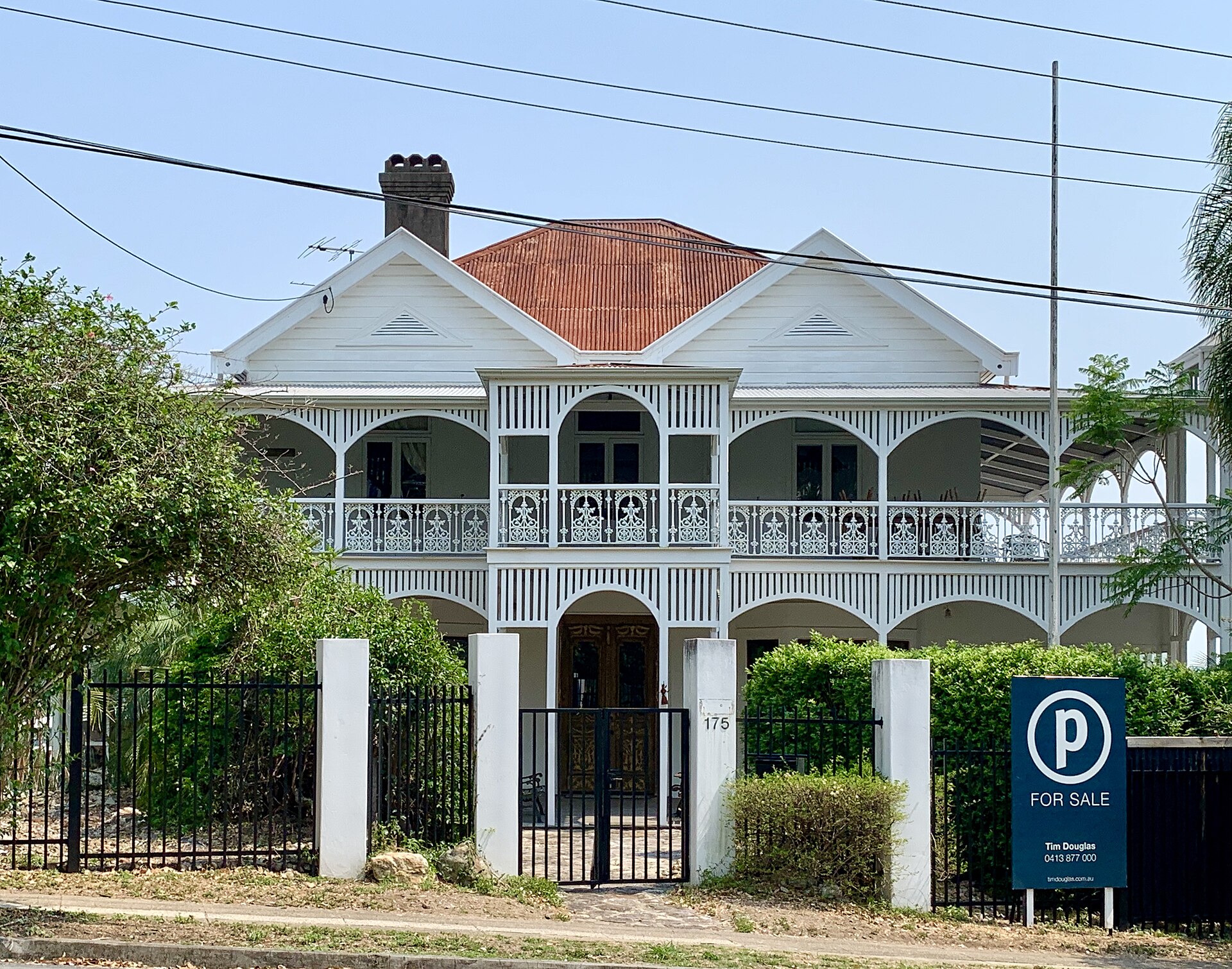
Do the search before you fall in love with a display home, and again the afternoon before you sign. Licences are suspended. Nominees resign. Companies change names and keep the same vinyl sign. The builder you choose is a person or a company on a register, not a facade in a village.
What the classes actually permit
QBCC contractor licences are classed by the work, not by the marketing language on the ute. "Builder — low rise" is the class that covers most new houses and typical residential buildings up to the rise the class allows. "Builder — medium rise" and "builder — open" are broader. There are trade contractor licences for plumbing, drainage, roofing, carpentry, painting and the rest, and there are occupational licences for certifiers and other regulated occupations.
A low-rise builder is not automatically allowed to run a ten-storey apartment job. A licensed carpenter is not a licensed builder. A kitchen company with a joinery licence is not your head contractor for a knockdown-rebuild. Ask for the class in writing and match it to the work. If the quote is for a whole house and the class is a trade, you are looking at an unlicensed contracting problem dressed as a package.
Site supervisors and nominees carry individual licences. The person who is "running your job" should be allowed to run it. A charming leading hand is not a substitute.
Fire protection, pest management and some mechanical services have their own streams. Swimming pools have a long and unhappy history of unlicensed work. If the house includes a pool, check that licence as if it were a second contract, because it often is.
The nominee is the human the licence hangs from
A company cannot swing a hammer. It holds a contractor licence because a nominated supervisor — the nominee — holds the relevant technical licence and has agreed to be responsible for the work. The register shows the nominee. Write the name down. Search that name too.
When a volume builder's nominee is a person you will never meet, that is normal and still worth noting. When a small company has no nominee, or a nominee whose own licence is suspended, the company licence is a shell. Do not date a contract with a shell.
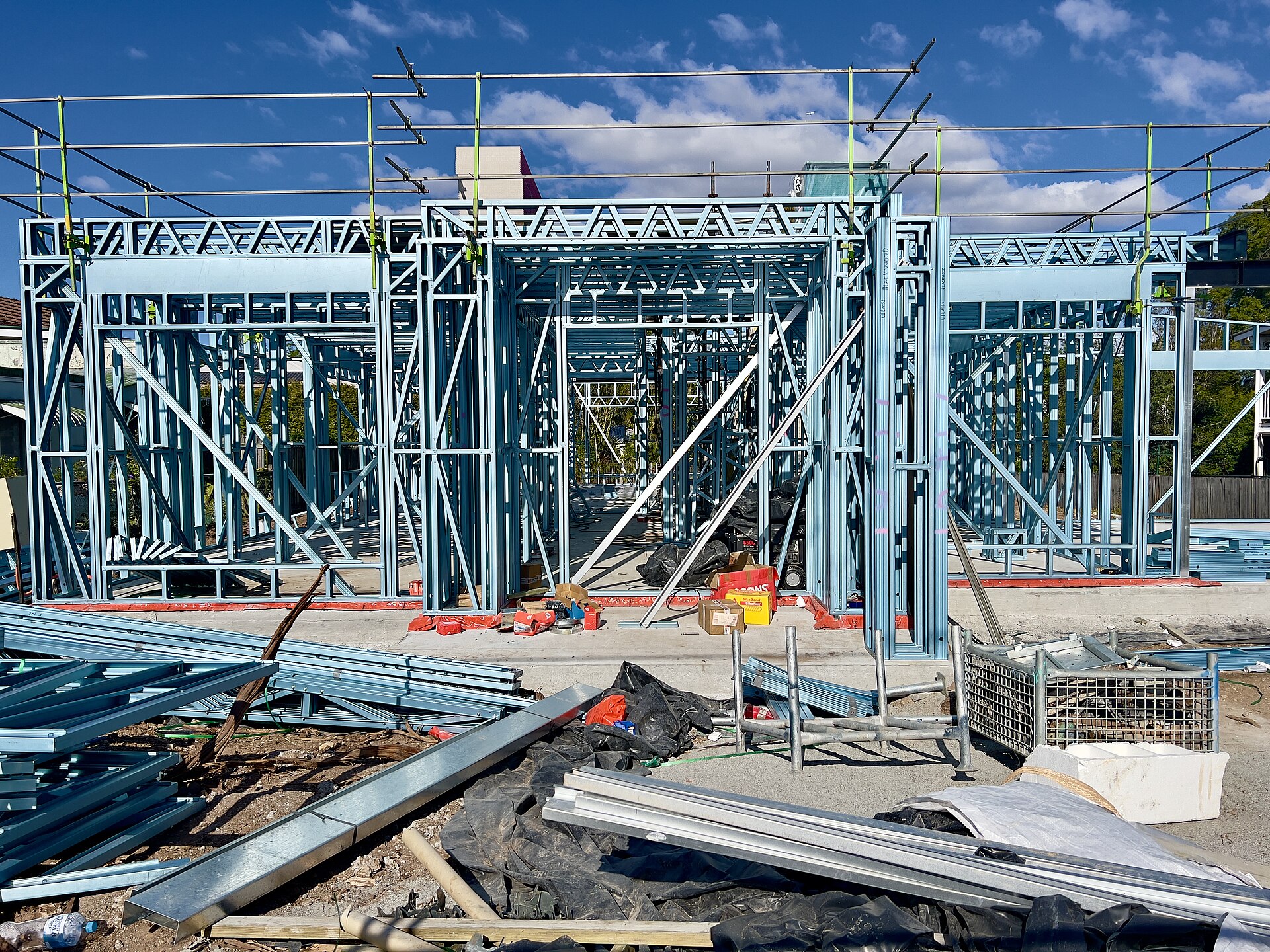
Ask what happens if the nominee leaves mid-job. The lawful answer is that the company must replace them or stop contracting. The cultural answer is that nobody tells the owner. Put a notice obligation in the special conditions if you have the leverage. If you do not, at least search the register at each progress claim. A vanished nominee is a fact you want before you pay "enclosed stage".
Financial requirements are a condition, not a vibe
The QBCC's Minimum Financial Requirements policy asks licensees to hold net tangible assets and to keep books that match their turnover category. The detail of the policy changes; the idea does not. A builder who is licensed to contract for work far beyond their asset position is a person the Commission has either not yet caught or has recently recategorised.
You will not see the full financial file. You will see, on the public register, whether the licence is current, whether there are conditions, and whether there is a history of suspensions, cancelled licences, or disciplinary action. Read the history. A single old demerit is not a morality play. A pattern of cancelled licences and phoenix companies is a pattern.
Unpaid subcontractors are how houses stall. The Commission has, over the years, run project-information and retention reforms aimed at that stall. You cannot audit the builder's entire book. You can refuse to pay ahead of the contract stages, and you can take a missing warranty notice as a reason to stop.
If a builder asks you to pay a related company — a "construction manager", a "design studio", a spouse's trust — search that entity as well. Licence-avoidance by invoice routing is not a clever structure. It is how owners lose the statutory protections they thought they had bought.
Owner-builder is a permit, not a personality type
Queensland lets an owner build, or manage the building of, their own home under an owner-builder permit issued by the QBCC. The permit is required once the work sits above a money threshold the Commission sets — historically a low five-figure sum; confirm the current figure. You must complete the approved course. You must be a real owner of the land. The permit is for that site, not a career.
What you do not get is a builder's licence you can use on someone else's house. What you often do not get is the full Queensland Home Warranty cover that attaches to licensed residential work. If you later sell within the statutory disclosure period — measured in years, not months — you must tell the buyer the house was owner-built. That disclosure exists because the scheme treats owner-built work as a different risk.
Owner-builder jobs still need licensed trades for the work that the Act reserves: plumbing, drainage, electrical, certain fire and mechanical work, gas. "I'm owner-building" is not a permission to let a mate rough-in the bathroom. The certifier will want licensed people and the right Form 16s. So should you.
Some owners take a permit and then hand the job to an unlicensed organiser. That is not owner-building. That is unlicensed contracting with extra steps.
Unlicensed work is not a bargain. It is a different legal universe
Contracting for building work without the required licence is an offence. Performing it can be an offence. Owners who engage the unlicensed person are not usually the ones fined first, but they are the ones left with a half-house, no warranty insurance, and a civil claim against someone who may have no assets and no name that matches a register.
The Commission can issue a direction to rectify to a licensee. It cannot do the same trick with a person who was never on the books. QCAT still exists. So do the courts. They are slower and they need a defendant worth joining.
A licence that expired last month is not "close enough". A licence in the wrong class is not "near enough". A licence held by a different company with a similar logo is not your contractor.
If work has already started and you discover the problem, stop, write down what you know, and get advice. Paying the next invoice because the frame is up is how the hole deepens. The complaint path at the QBCC is designed for licensed work that went wrong, not for work that was never allowed to start.
How to search the register as if you mean it
Go to the QBCC licence search. Use the licence number on the quote, not only the trading name. Then search the trading name. Then search the company name on the ASIC register so you know who you are actually contracting with. Then search the nominee.
Record, on one page:
- Licence number, class, status, expiry.
- Licensee name exactly as it will appear on the contract.
- Nominee name and their individual licence status.
- Conditions, if any.
- Disciplinary history and any cancellation or suspension dates.
- Whether Queensland Home Warranty cover will attach to this work, and who is paying the premium.
Look at the status words. Licensed, suspended, cancelled, surrendered, and expired are not synonyms. A condition that limits the licensee to certain work is a limit. Read it.
Search again after any long pause in the job, and before practical completion. The register is free. The consequence of not looking is not.
Complaints, directions and the thing the licence is for
If licensed work is defective or incomplete, the Commission's complaint process is the statutory path. You generally need to have raised the issue with the contractor first. Time limits apply; they are not generous, and they are not the same as the warranty-insurance time limits. A direction to rectify, if issued, is an order to the licensee. Failure to comply is how licences get into real trouble.
The Commission is not your superintendent and not your solicitor. It will not redesign the house. It will not mediate a taste dispute about tapware. It will engage with work that fails the standard the Act and the codes require.
Keep the contract, the variation register, the photographs and the Form 16s. A complaint without documents is a story. A complaint with a dated photograph of the same corner over four months is a file.
For the rest of the legal machinery — Council approvals, overlays, the contract itself — stay in approvals. The licence search is the five-minute version of the same ethic. Name the entity. Check the register. Do not let a magnetic sign on a ute do your due diligence.
Frequently asked questions
Is a company licence enough, or do I need to know the nominee?
You need both. A company holds a contractor licence only through a nominated supervisor who holds the technical qualification. If the nominee leaves and is not replaced, the company is a letterhead. Write the nominee's name next to the licence number.
Can I legally build my own house in Queensland without a builder's licence?
For work above the owner-builder threshold you need an owner-builder permit from the QBCC, after the course the Commission requires. The permit is not a trade licence, it does not give you the same Home Warranty cover, and it will follow the house if you sell inside the statutory period.
What happens if I hire an unlicensed contractor?
The contracting is unlawful. Your contractual remedies shrink, Queensland Home Warranty Insurance may not attach, and a later complaint to the QBCC starts from a hole. Cheap unlicensed work is one of the reliable ways to buy a second job.