A major renovation in Brisbane is not only a design and a contract. It is a household trying to sleep beside a circular saw, a street trying to park around a skip, and a climate that will put a December storm through any roof you have opened "for a few days". Owners underestimate the living. Builders underestimate the household. The job that finishes on time is usually the one that treated occupancy as a construction constraint, like a sewer or a crane.
This is a sequencing note, written after watching families try to keep a toddler, a dog and a laptop alive in a Paddington house that had no kitchen and a tarpaulin.
Decide the occupancy the way you decide the contract
There are three honest states: you move out for the noisy core; you stay and the builder works around a sealed zone; or you stage the house so you migrate from old rooms to new ones. Mixing them without a drawing — "we will see how we go" — is how people end up in a hotel in week six with the contents still in the hallway.
Move out when the roof comes off, when the house is lifted, when the switchboard dies for more than a weekend, or when the only bathroom is in the strip-out. Those weeks are not "inconvenient". They are unsafe, and they make every trade slower because they are stepping over your life. Rent around the corner is often cheaper than the variation caused by a household that cannot get out of the wet area.
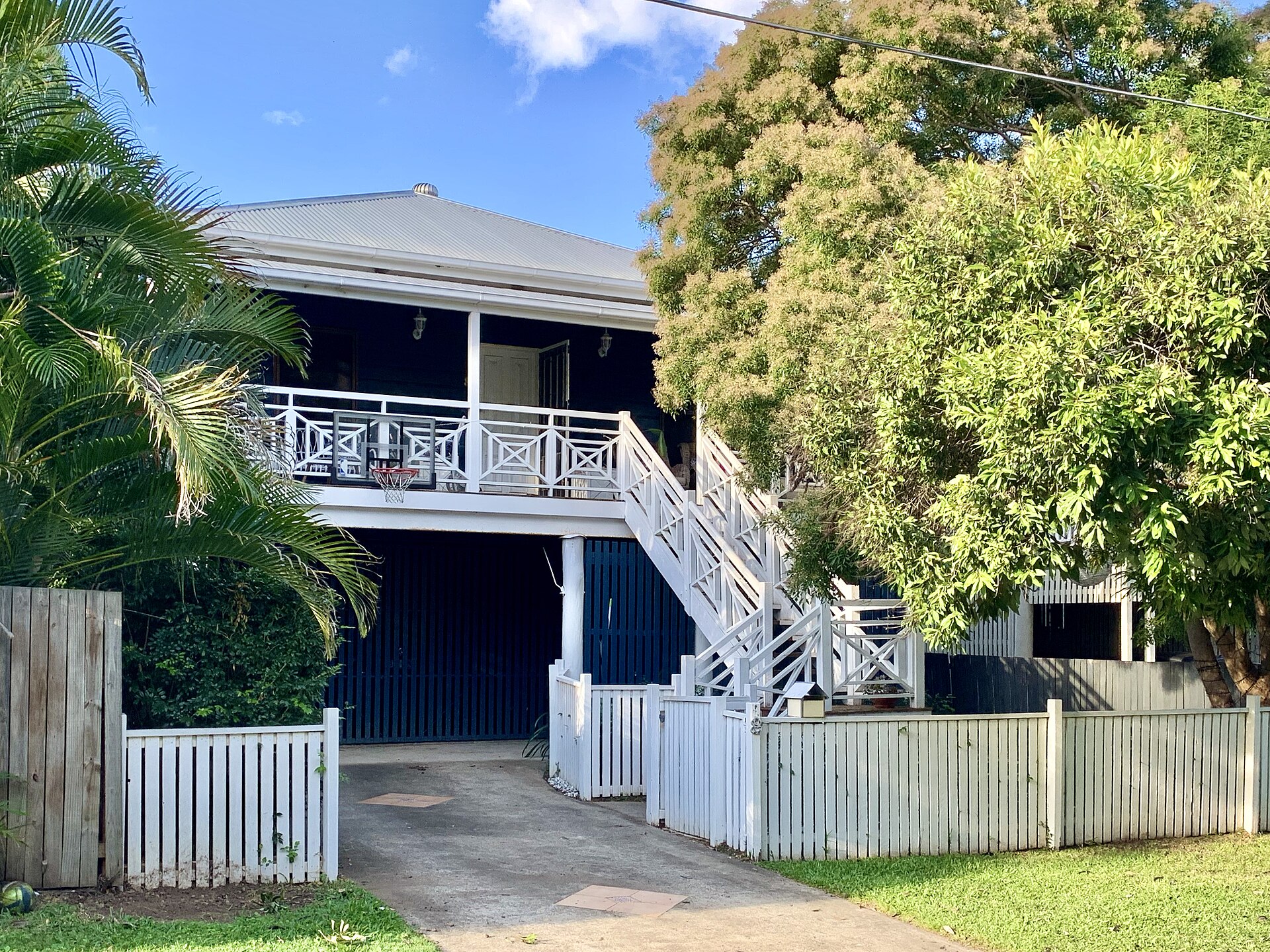
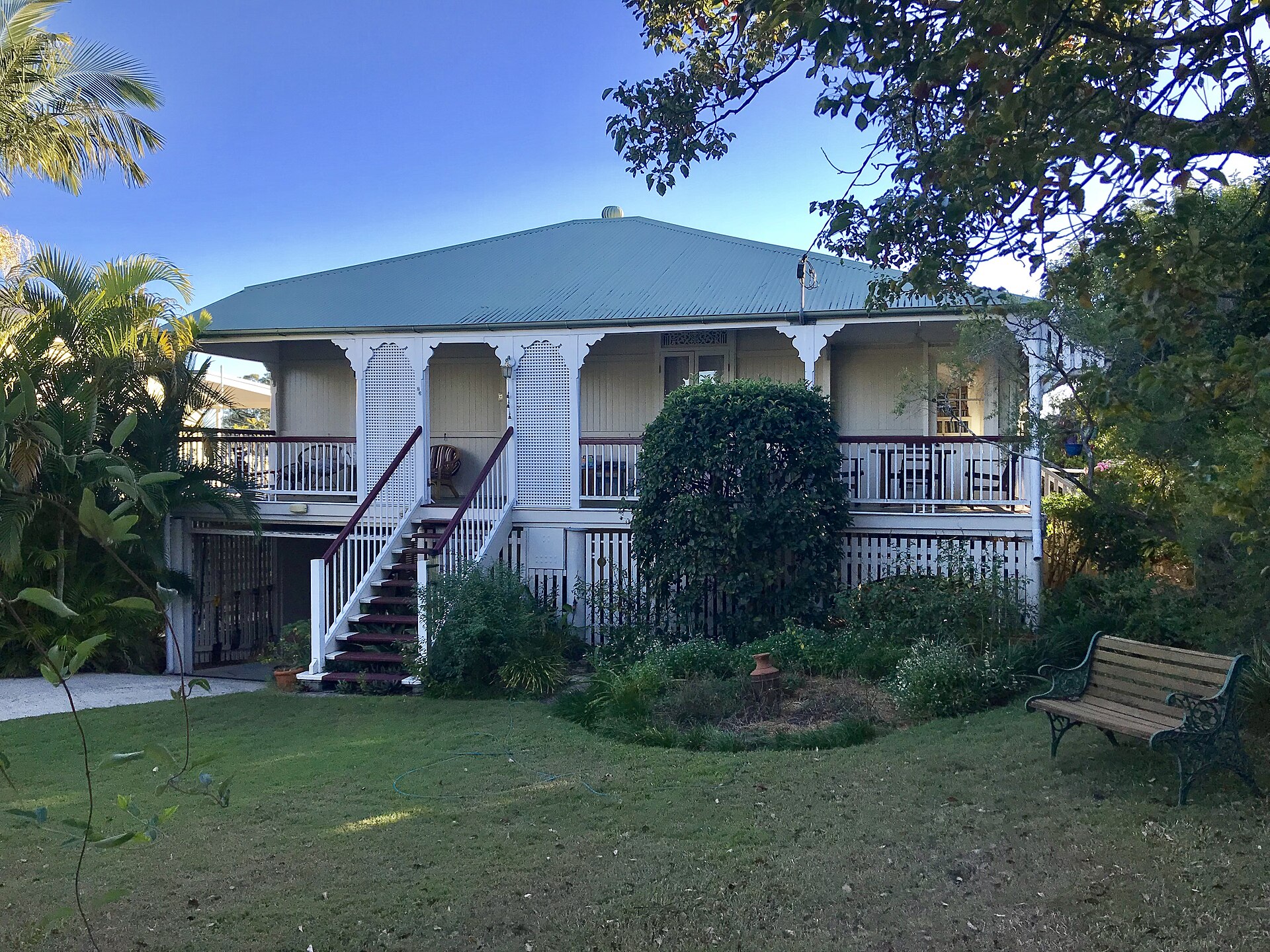
Stay when the work is a rear pavilion, a single bathroom, or a kitchen that can be fenced off, and when you can keep a sleeping room that does not share a wall with demolition. Staged occupancy works in a Queenslander that already has two ends. It fails in a cottage where every room is on the way to every other room.
Write the occupancy into the contract. Who isolates the living zone. Who is responsible for temporary power, a temporary kitchen, and locking up. What happens if you cannot get out on the date you promised. Builders are not landlords, and you are not a site supervisor. The paper has to say which.
Staging is a program, not a Pinterest kitchen
If you stay, draw a weekly map. Week one: fence the demolition. Week two: temporary cook line live before the old kitchen dies. Week three: bathroom sequence so one toilet always works. A program that demolishes both bathrooms on a Monday because the tiler liked the run is a program drawn by someone who does not live there.
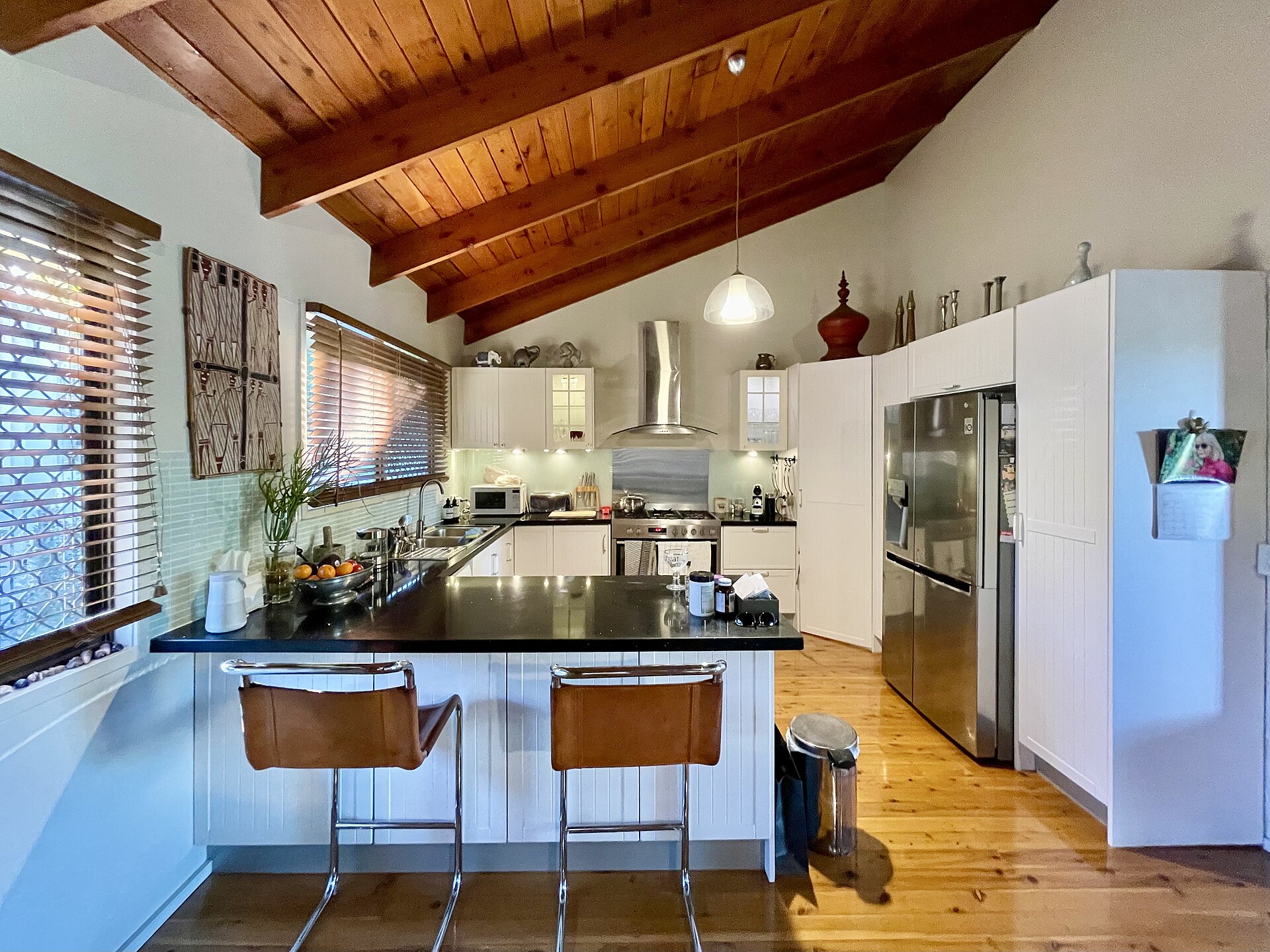
A temporary kitchen in Brisbane needs more than a microwave on a card table. You want a tap that is not on the same isolator the plumber will kill, a fridge on a circuit that survives the switchboard upgrade, a way to wash a pan, and a flyscreen. The temporary setup will operate through a humid month. If it is in the undercroft, it will be cool and it will be dirty. If it is in the future dining room, it will migrate grease onto the only clean floor.
Do not store the good chairs in the room being plastered. Dust is a substance. It will go through a Queenslander's VJ joints in a way it will not go through a sealed plasterboard box. Box what you care about, or take it out.
Children change the plan. A house with a drop of two metres into an open undercroft is a fall hazard, not a play space. Lead paint, asbestos in the eaves, and open stairs after a lift are why some families should simply leave. If you stay, the temporary fence is a building, not a row of cones. Trades will prop the gate open. You will close it fifty times. That is the job.
Dust, lead and the air you keep breathing
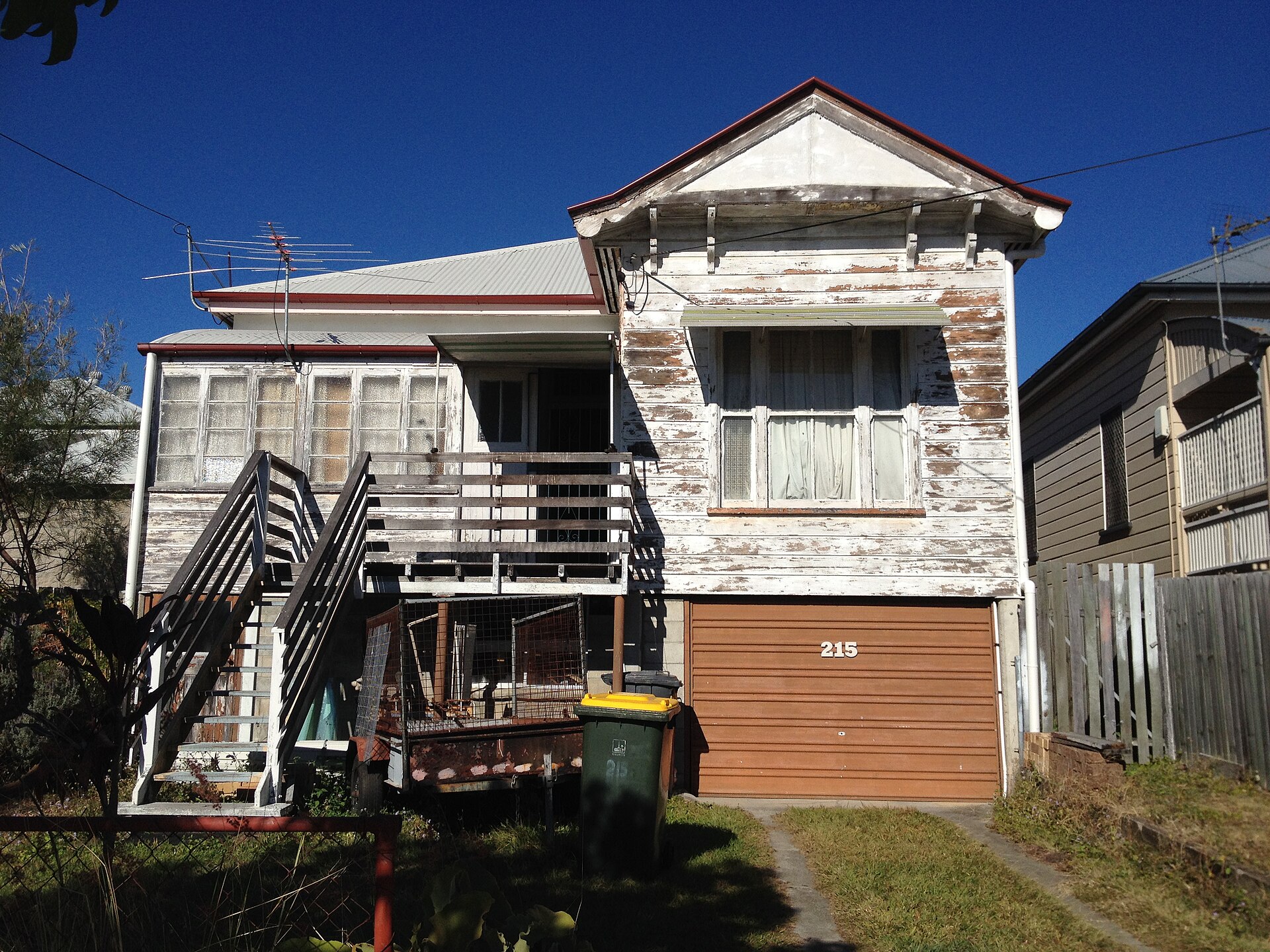
Pre-1970 Brisbane houses — and plenty of later ones — can hold lead in the paint, especially on exterior weatherboards, window sashes and old gloss in kitchens. Cutting, sanding and burning that paint inside an occupied house is how children eat the renovation. Assume lead until a test says otherwise. Use a contractor who treats it as a controlled task: containment, the right vacuum, no dry sweeping through the living zone, and a wash-down that does not just push dust under the house.
Asbestos is a separate, dull, necessary sentence. Eaves, some vinyl, some backing boards, some old backing to wet areas: get a register, get a licensed removalist, do not let a keen labourer "just take that bit off". The neighbourhood will notice bags that are not wrapped. So will the regulator.
Even clean timber dust from a Queenslander strip-out will film every plate. Seal the living zone with real plastic and tape, not a sheet hung over a door. Run the air-conditioner only if the filters can take it and the unit is not sucking from the demolition. A box fan in an open window on a westerly afternoon will decorate the cot.
The character-renovation guide covers the building. This paragraph is the lung version of the same house.
Neighbours are part of the site
Inner-Brisbane streets — New Farm, Red Hill, West End, Woolloongabba — share everything: a fence that is also a retaining idea, a kerb with four cars and one legal skip bay, a dog that already hates the postie. A renovation is a long invasion.
Write before you start. Dates, working hours, the noisy weeks (demo, slab, roof, crane), a mobile number that a human answers, and an apology that does not ask them to be grateful. Then keep the skip legal, the street swept, and the radio at a volume that is not a personality. If you need to block a driveway for a pour, ask the day before, not at 6.40am.
Complaints become inspections. Inspections become stop-work. Stop-work becomes your rent. The neighbour who was told nothing is rational to call Council. The neighbour who has a number and a date is more likely to text.
On small lots and infill sites this is not courtesy. It is access. You may need their airspace for a crane, their fence down for a beam, their bin day to shift by one morning. Pay for the beer and the fence. Put the agreement in a short email.
Insurance, storm and the wet season
Tell the home insurer that the house will be opened. Some policies narrow cover when a building is unoccupied, when it is without a working kitchen, or when it is a building site. The builder should carry contract works insurance and public liability that matches the job. Ask for certificates, not a sentence in a tender. If a storm lifts the tarp and wets the old VJs, you want to know who is arguing with whom before the argument starts.
Brisbane's wet season — roughly November into March, with a long tail — is a construction season only if the program admits it. Roof-off work in January is a bet. A temporary roof that is actually detailed, a daily close-up, and a skip with a lid are the unromantic skills. A renovation that "will be watertight by the first storm" will not.
If you are staying, keep a dry room that does not depend on the temporary roof: documents, medicines, a change of clothes, the only working computer. If you are out, visit after rain anyway. A house that is nobody's overnight becomes a house that takes water in a corner nobody is sleeping in, which is how you meet the mould in April.
Mould after a wet renovation is not a lifestyle brand. It is a moisture problem in a subtropical house. Dry the building, fix the leak, and do not close up wet timber with new plasterboard because the program said "internal linings this week".
Temporary kitchens, bathrooms and the dignity line
You can live for a while without an oven. You cannot live without a way to wash hands after the site toilet, a fridge that keeps the antibiotics cold, and a shower that is not a garden hose in view of the street. Set the dignity line on paper. When the job crosses it, you leave, even if the story was going to be "we stayed the whole time".
A borrowed outdoor shower, a caravan in the driveway, a kitchen in the garage: all of these work in dry months on a wide lot. On an inner-city character block they are a planning and neighbour problem as well as a lifestyle one. Do not create a second dwelling by accident. The certifier will not find it charming.
Pets need a plan that is not "they will get used to it". A dog on a half-demolished deck is a vet bill. A cat in a street of open skips is a missing-cat poster.
When to stop being brave
Leave if someone in the house has asthma that the dust is winning. Leave if the temporary power is a nest of leads in a wet undercroft. Leave if the argument with the builder has become daily and you are the on-site referee. A household that is also the complaint department will make worse design decisions at 9pm.
The finishes can wait for a calmer month. The kitchens and bathrooms that survive this climate should be specified in the dry, not during a panic purchase at a warehouse on the afternoon the tiler arrived. Living through the works is a phase. It should have an end date you can point to on a wall, and a go-bag if the storm arrives first.
Brisbane will keep renovating its timber houses because the alternative is to lose them. The owners who still like each other at handover are the ones who treated sleep, dust, neighbours and rain as part of the scope. Everyone else gets a beautiful pavilion and a year they do not care to repeat. That year is avoidable. It is just not avoidable by optimism.
Frequently asked questions
Should we stay in the house during a Brisbane lift or full wet-area renovation?
Stay only if you can keep one safe sleeping room, one working toilet, and a way to cook that will survive a week of rain. Lifts, roof-off work and whole-house electrical shutdowns are usually cheaper to live through somewhere else. Price the rent against the delay you will cause by being in the way.
Who talks to the neighbours, and when?
You do, before the skip arrives, and then the builder keeps a single contact for noisy weeks. Inner-Brisbane streets share fences, parking and children's sleep. A note with dates, working hours and a phone number prevents half the complaints that otherwise become inspections.
Does home insurance still cover us while the contract works are underway?
Not always, and not for the works themselves. Tell your insurer the scope and the dates, and confirm the builder's contract works and public liability cover. A silent policy on an opened house is a way to discover, after a storm, that nobody thinks they are on risk.