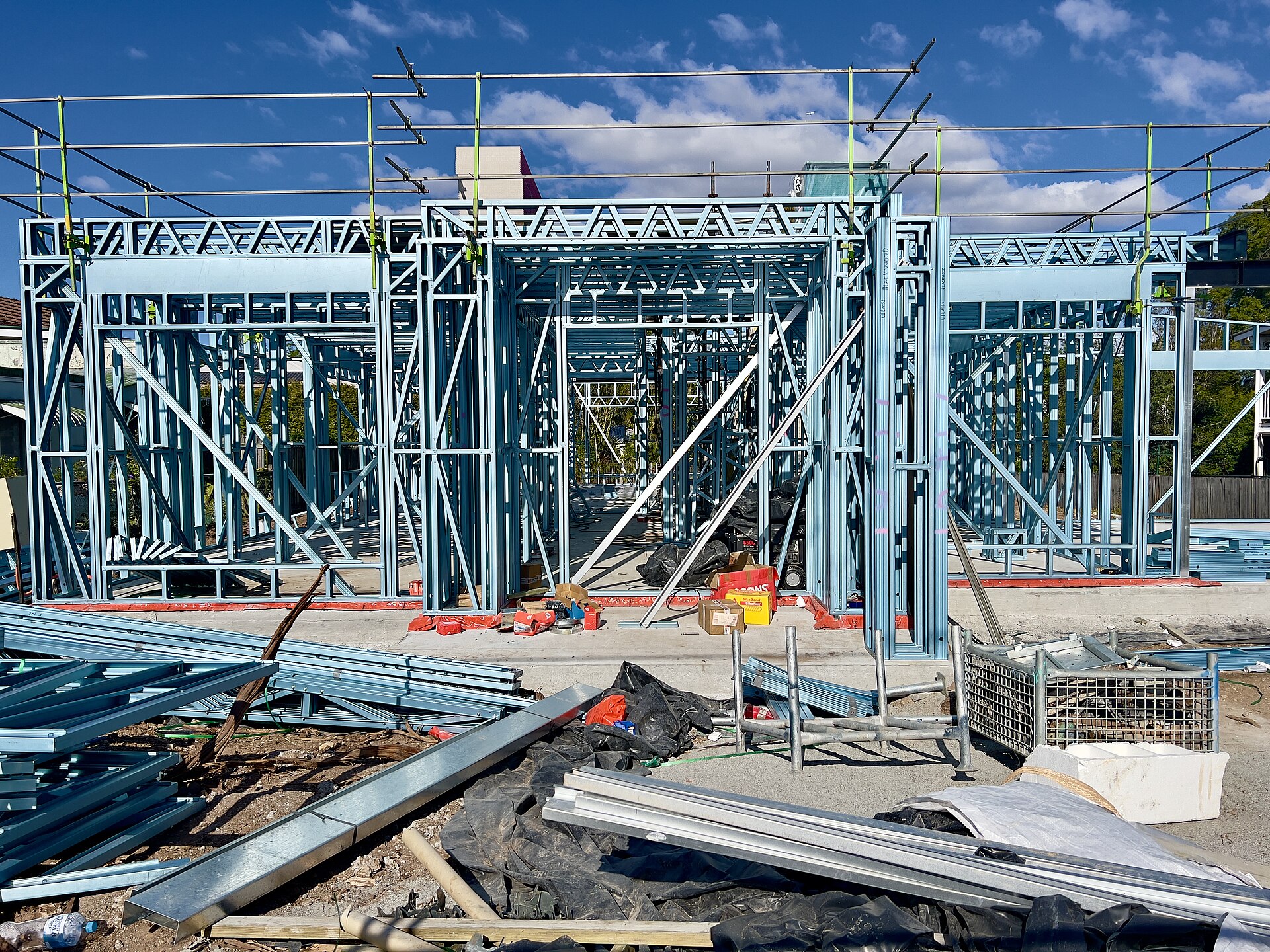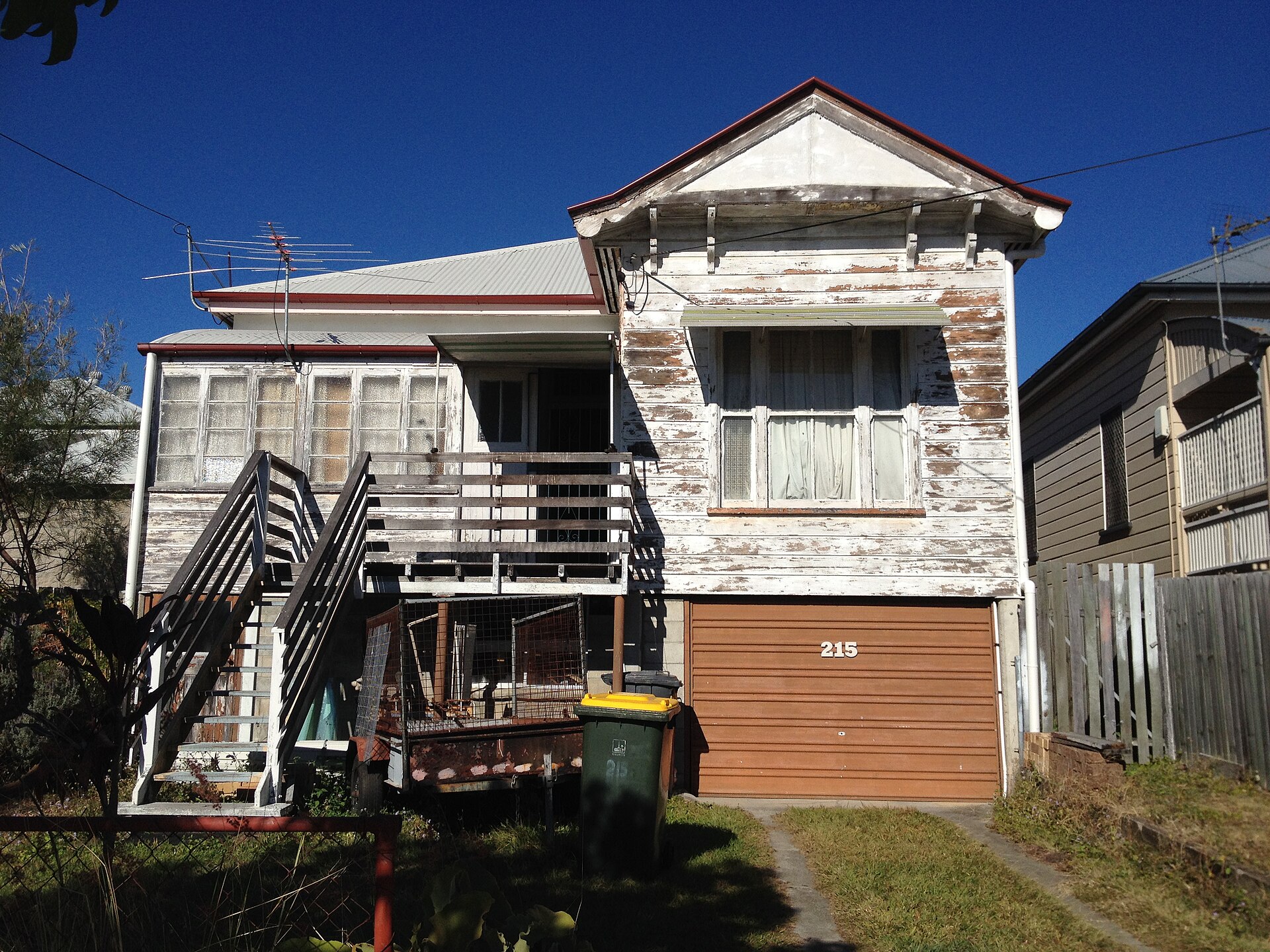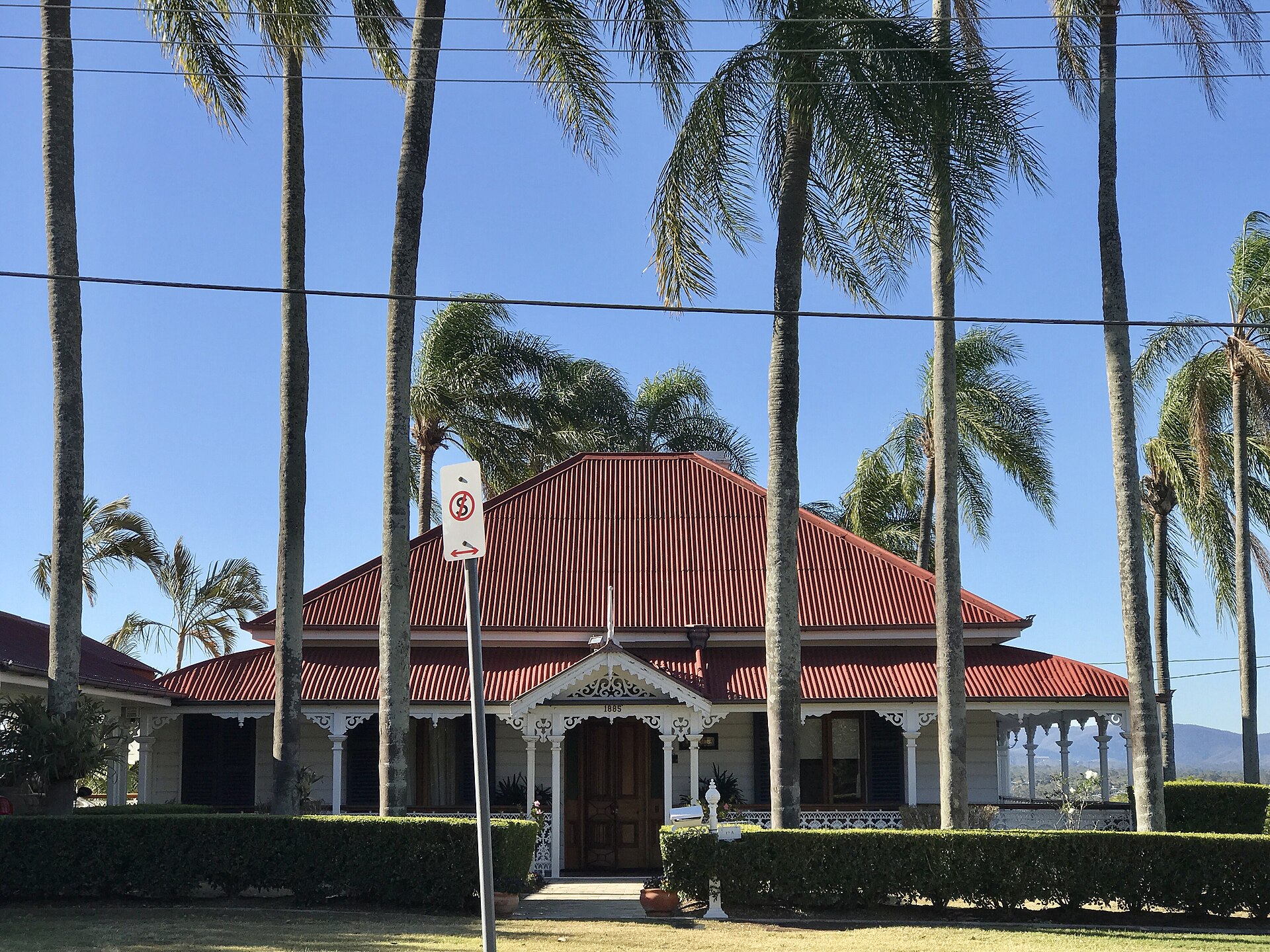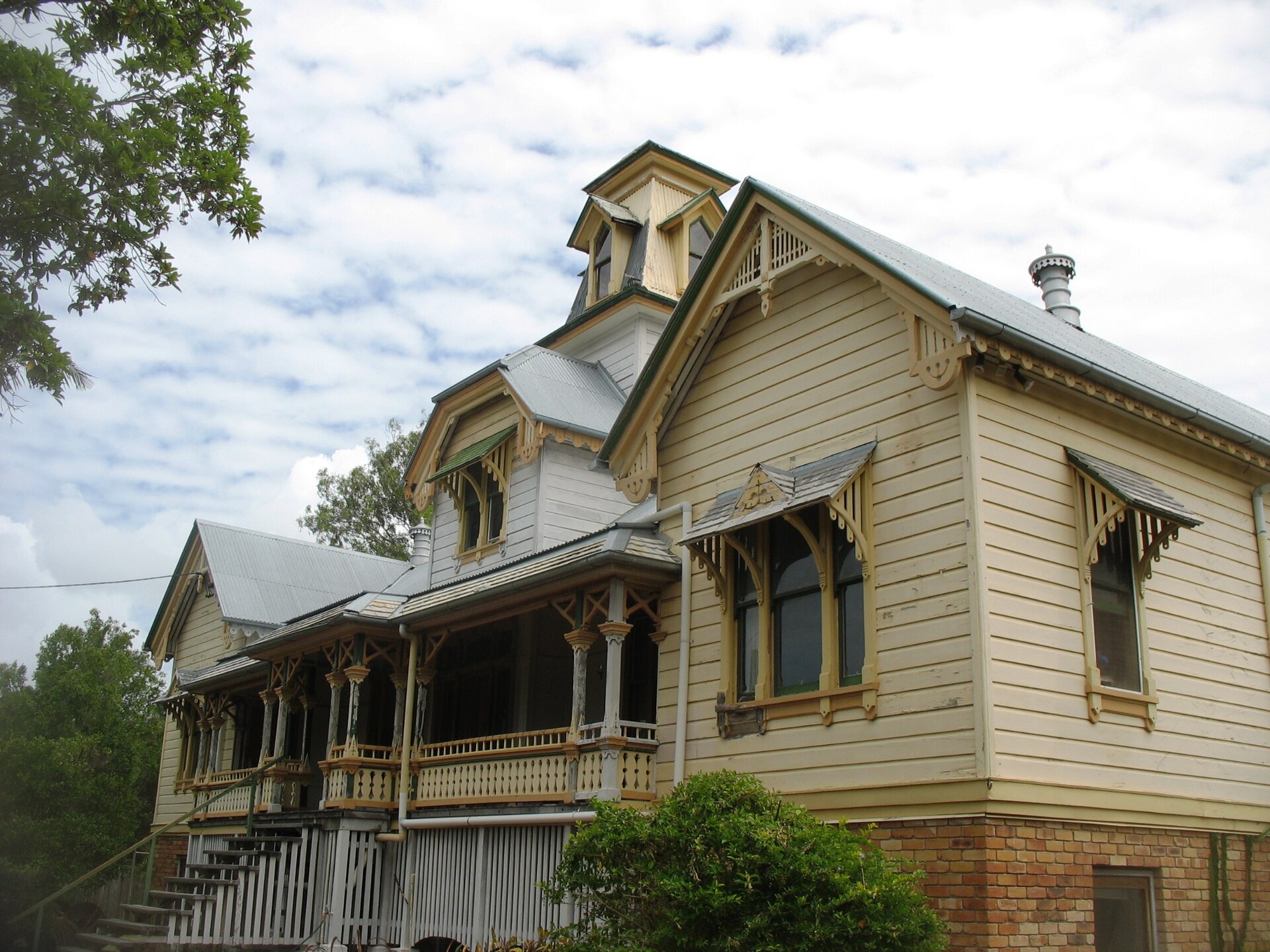
The Saturday drive that ends in a "For Sale" board on a grassed hectare is a reliable SEQ ritual. Samford Valley, Dayboro, Closeburn, the ridges behind Petrie, Tamborine, Canungra, the Beaudesert fringe, and the hinterland edge of the Sunshine Coast all sell a version of the same sentence: space, trees, and a house that is finally yours to place. What they are also selling is a private utility company. You are the utility.
Acreage is still land, but it is not the filled pad at Yarrabilba. The hidden costs sit in sewerage, bushfire, a driveway longer than a suburban street, and the last two hundred metres of power. Owners who price the house first and the services second run out of money in the trench.
On-site sewerage is a design, not a tank in a brochure
If the lot is outside a sewered area — and much of the Moreton Bay hinterland, the Scenic Rim and the Sunshine Coast hinterland fringe is — you will need an on-site sewerage facility. That usually means a septic tank with a land-application area, or an aerated wastewater treatment system with irrigation. It is not a trip to a hardware store. It is a site-and-soil evaluation, a design that matches the number of bedrooms, a Council or plumbing approval, and a maintenance contract you will still be paying for in ten years.
The land-application area has to be the right soil, the right slope, the right setback from creeks, dams, bores and boundaries, and above the wet-season water table. A pretty gully is often the worst place. So is the only flat clearing you wanted for a second paddock. If the designer cannot find enough suitable ground, you do not have a house site. You have a camping story.
Treatment systems fail in two ways owners do not budget for. They fail mechanically, which is a service call. And they fail socially, which is a smell, a soggy irrigation area, and a neighbour with a camera. Put the plant downwind of the outdoor room, keep vehicles off the irrigation, and do not treat the maintenance invoice as optional. Councils in these shires have become less sentimental about neglected systems.
Sewer is only one service. Reticulated water may stop at the last suburban valve. Tanks need roof area, a potable setup, and, on bushfire lots, a reserve for firefighting that you are not allowed to drink empty in October. Power can be a short underground run or a pole run that looks, on the quote, like a small car. NBN on the fringe is a lottery between fixed wireless, satellite and a pit that is still "coming". Get written answers before you exchange. A vendor who says "the neighbours got power easily" is not a utility.
Bushfire is a siting decision
A lot of the pretty timber is in a bushfire-prone area. The planning scheme and the State mapping will tell you whether an overlay applies. AS 3959 and the Queensland framework will then give the site a Bushfire Attack Level — BAL-12.5 up through BAL-40 and Flame Zone — based on vegetation, slope and distance.
BAL is not a vibe and it is not an insurance slogan. It changes the envelope: tougher windows, ember screens, cladding and roof details, deck materials, and sometimes the shape of the house. A wide verandah on the wrong side of a BAL-29 site is a different building to the same verandah on a cleared inner-rural lot. The assessment should be done on the actual building envelope, not on the front gate. Moving the house thirty metres can change the BAL. So can a managed asset-protection zone you are actually prepared to mow.
Do not clear first and apply second. Vegetation on these lots is often protected, and illegal clearing is a faster way to meet Council than any building application. A bushfire-management plan that depends on a neighbour's paddock remaining grazed is a plan that neighbour can undo.
Fire also wants access. A long, narrow, unsealed drive with a tight turning circle is how appliances stop at the gate. Ask the rural fire brigade and the building certifier what width, grade and passing bays they want. Then ask your earthworks contractor what that costs in the actual soil. The soil class under a kilometre of driveway is a budget line. Clay that moves, sand that blows, and a creek crossing that fails in January are all ways a "gentle bush track" becomes a construction project.
The driveway is often the first house you build
Suburban site costs assume a six-metre crossover and a short concrete run. Fringe acreage assumes nothing. You may need a crossover on a high-speed rural road, a culvert in a table drain, a climb that cannot ice a loaded truck, and a finished surface that an ambulance will use at night.
Grade is the silent deal-breaker. A driveway that looks fine in a sedan on a dry Saturday can be beyond a concrete truck, a frame truck or a two-wheel-drive tradie after rain. If the trucks cannot reach the pad, every material is double-handled. That cost will not appear in a display-home estimate.
Length is money twice: once to build, once to maintain. Unsealed lengths dust the house, chew tyres and collapse at the edges. Sealed lengths need drainage so they do not become a creek. Lighting, gates and a turnaround are not luxuries on a lot where the road is a rumour through trees. Price a finished drive to the future front door, not a "temporary access" that becomes permanent because the house ran over.
This is also why sloping suburban blocks and fringe acreage get falsely compared. A six-metre fall on a 600-square-metre lot is a retaining problem. A six-metre fall on four hectares is a road.
Dams, creeks and the idea of "water on the land"
Water on an acreage brochure is amenity. Water on a planning map is a constraint. Creeks, mapped waterways, wetlands and overland-flow paths bring setbacks, vegetation rules, and sometimes a flood study for the house pad. A dam has a wall. If that wall is a referable dam or simply a structure that would inconvenience the neighbour when it fails, you have inherited an engineering object, not a swimming hole.
Mosquitoes, snakes and weekend trail-bike noise are not overlays, but they are real. So is the kid who will treat the dam as a pool. If you are buying the lot for a family, write the fence and the rescue plan into the first budget, not into a later fright.
Do not fill a dam or straighten a creek because it complicates the house. Unlawful works in a waterway are a different class of problem to a covenant argument in Springfield. Get the overlay map, get an ecological or hydraulic opinion if the pad sits anywhere near the line, and be willing to move the house. The land is large. That is supposed to be the point.
Dual occupancy is a planning question, not a lifestyle brand
Plenty of buyers want a second dwelling: parents, a caretaker, a rent that helps the mortgage. On fringe lots the planning schemes vary, and the words "dual occupancy", "secondary dwelling" and "rural workers' accommodation" are not interchangeable.
Check the zone, the minimum lot size, the maximum size of a secondary dwelling, whether the second house can have its own driveway, and whether both can sit on the same on-site sewerage design. A treatment system sized for four bedrooms will not silently accept eight. A battleaxe handle that already struggles with one construction program will not enjoy two.
If the plan is to subdivide later, say so to the planner now. A house in the middle of the only future lot, or a septic field across a future boundary, is how people donate value to a surveyor. The approvals path on rural-residential land is slower and more overlay-heavy than a suburban certifier job. Budget calendar as well as cash.
A second dwelling also changes bushfire and access. Two households means two ways out, or a honest admission that there is only one.
What the services quote should contain
Before you bid, assemble a single sheet: power (point of connection, underground or overhead, contribution), water (reticulated or tank, including fire reserve), sewerage (type, land-application area, Council fees), communications, driveway (length, grade, surface, culverts), and any creek or dam works. Add the geotechnical investigation for the actual envelope and the BAL assessment. Then add a contingency that would make a suburban buyer wince. Fringe work has fewer neighbours to share a trench with and more ways for a machine to meet rock.
Compare that sheet with a titled lot in an Ipswich or Logan estate, where the covenant is the annoyance and the sewer is already in the street. The comparison is in the vacant-block guide, and it is the right comparison. Acreage is not "more house for the money" until the services are numbered.
Climate still applies. A tin roof in Dayboro in February is the same physics as a tin roof in Paddington, with less afternoon sea breeze and more frost on the odd winter morning. Orientation, eaves and the way you open the house to the south-easterly are climate-responsive design, not urban luxuries.
Buy the hectare if you want the work as well as the view. The owners who thrive on the fringe are the ones who liked the trench. Everyone else should stay where the sewer is already someone else's problem.
Frequently asked questions
Can I assume town sewer and reticulated water on a fringe acreage title?
No. Many lots in the Moreton Bay hinterland, the Scenic Rim and the Sunshine Coast hinterland fringe are on-site sewerage and tank water, or a long private main you will pay to extend. Price the treatment plant, the tanks, the trenches and the power run as part of the land bid.
Does a dam or creek on the property make the house cheaper or dearer?
Usually dearer. Water is an amenity until it is a corridor overlay, a flood study, a mosquito fact and a set of setbacks you cannot build in. A pretty dam also has a wall, and the wall has a liability.
Is a dual occupancy a simple way to help pay for an acreage build?
Only if the planning scheme, the lot size, the access and the on-site sewerage design all allow it. A second dwelling is a second approval, a second treatment load and often a second driveway argument. Do the planning work before you count on a rent.